
Make Your AI Agent Compare Before It Recommends
Listing alternatives is easy. A useful recommendation explains how each option fits the problem before choosing one.
3 min to read
Thoughts, tutorials, and insights about web development.
Listing alternatives is easy. A useful recommendation explains how each option fits the problem before choosing one.

A useful generated test can expose a consequential mistake. Start from the promise, justify the expected result, and inspect which failures the evidence reaches.

My autohelm skill delegates routine choices inside an authorized task, records consequential decisions, and keeps clear limits on unattended work.

A profession's experience barrier may weaken when newcomers learn to deliver useful work with agents before established practitioners change their methods.

An AI investigation report can give the on-call engineer current status, useful evidence and a direction to investigate before they open the alert.

A coding agent should examine consequential assumptions before implementing them. Useful pushback needs evidence, proportion, and the ability to agree and proceed.

Separate mockups, specialist implementation and repeated handoffs made sense under particular constraints. Coding agents give teams a reason to reconsider those boundaries.

Before adding another prohibition, identify the instruction that enabled the failure and check what your proposed correction does to other cases.

When an agent handles implementation, experience still shapes the questions you ask, the mistakes you notice, and the work you can judge.

Claude or Codex can write the implementation. You still own the decision to merge it, the evidence you accept, and what happens when it ships.

AI can produce a polished interface quickly, but vague direction and screenshot-driven feedback push its designs toward the same familiar patterns.

A decision model turns observations and constraints into a choice, ranking, or deliberate handoff. Learn when that is different from generating text or reasoning through a problem.

Understand the boundary between APIs, Model Context Protocol servers, and agent-to-agent communication before adding another integration.

Choose between prompting, context augmentation, retrieval, and fine-tuning by asking what kind of knowledge your AI workflow needs and how quickly it changes.

An interrupted agent needs to inspect files, tool results, jobs, and external state before choosing what to repeat or finish.

Cheaper software can expand demand while reducing the labor needed for each project. Total growth and an individual developer's prospects are different questions.

Delegating implementation can leave the human work concentrated in review, uncertain decisions, and repeated requests for attention.

Chrome Bridge connects an agent to an existing Chrome session, with explicit tab targeting, compact page observations, and concrete focus and permission tradeoffs.

Build a talk with a story and a visual identity, then use the HTML presentation kit for navigation and export. Includes an editable eight-slide example.

Keep an agent build moving through useful phases, meaningful tests and planned checks in the running application, with evidence before completion.

A working implementation can still do too much. Give simplicity its own review, keep the requirements fixed, and ask which responsibilities can disappear.

A short follow-up gets its meaning from the task, earlier messages, and corrections that came before it.

Prepare current project records, verified implementation state, and an explicit handoff before a long agent conversation is compacted.

An autonomous task sometimes needs a manual action. Give the agent a way to ask, wait for a reply, check the result, and carry on.

Judge a coding agent by the whole system that turns intent into checked work: its tools, context, interface, and communication as well as its model.

AI moved my work from repetitive implementation toward plan review, architecture decisions, and learning new systems as I build.

Give a fresh reviewer the requirements, artifacts, and evidence before the builder’s rationale. Keep useful context and make disagreement answerable.

Make project purpose, boundaries, decisions, and current state discoverable so a fresh coding run can work from the right constraints.

Agent-led development is a reason to reconsider conventions that police personal taste. Keep the rules that protect behavior, contracts, and future change.
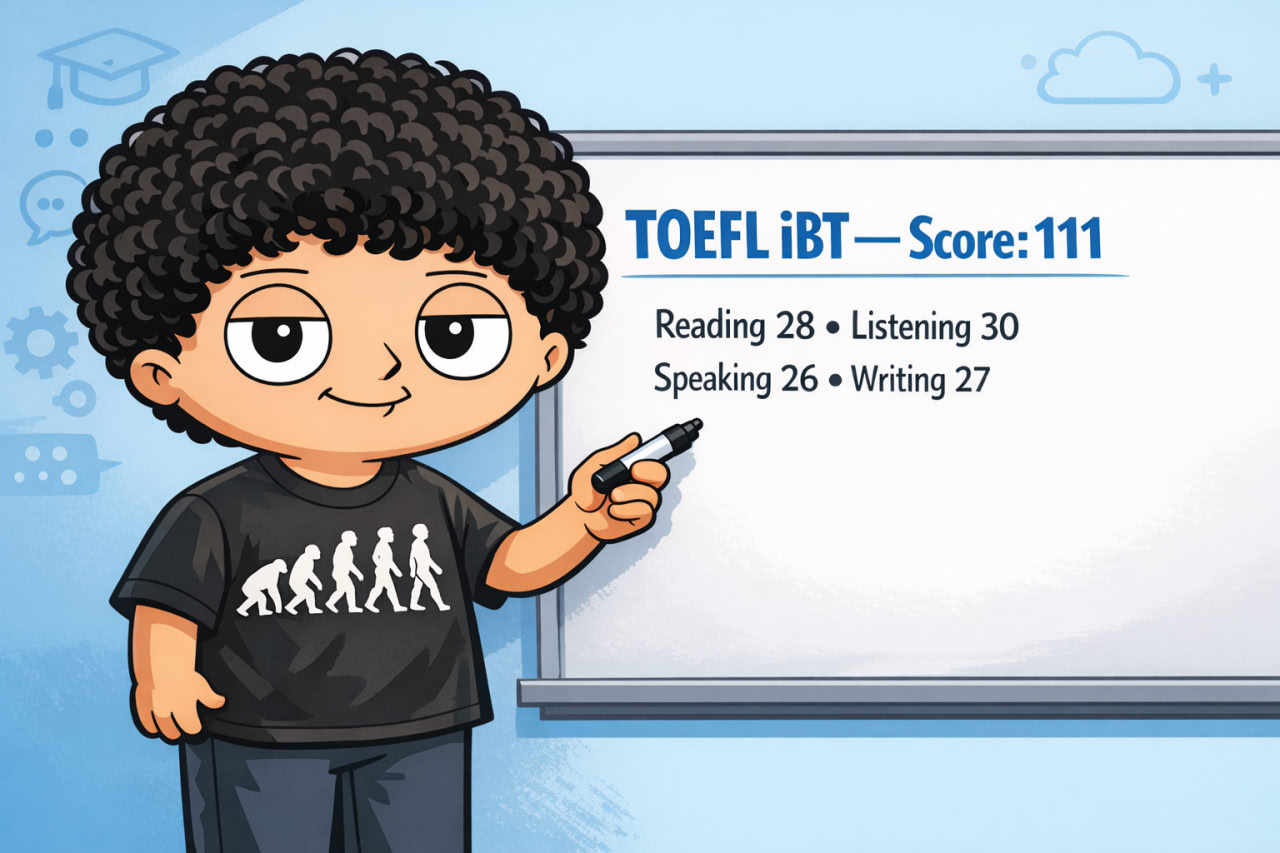
A practical guide to maximizing your TOEFL score through templates, structured practice, and AI-assisted learning—even with limited preparation time.

A practical, opinionated tour of Claude Code’s multi-agent code review system—and why it quietly raises the bar for frontend teams.

A hands-on, cross-functional workshop that empowers teams to master AI and AI Fluency for immediate productivity gains and future-proof skills.

Explore five practical feedback models to enhance clarity and effectiveness in your team's communication.

Understanding the importance of a service layer in frontend development is a strategic approach to simplify complexities and enhance user experience.
Adapting style guides keeps code clean and consistent, balancing rules with flexibility for tech evolution.
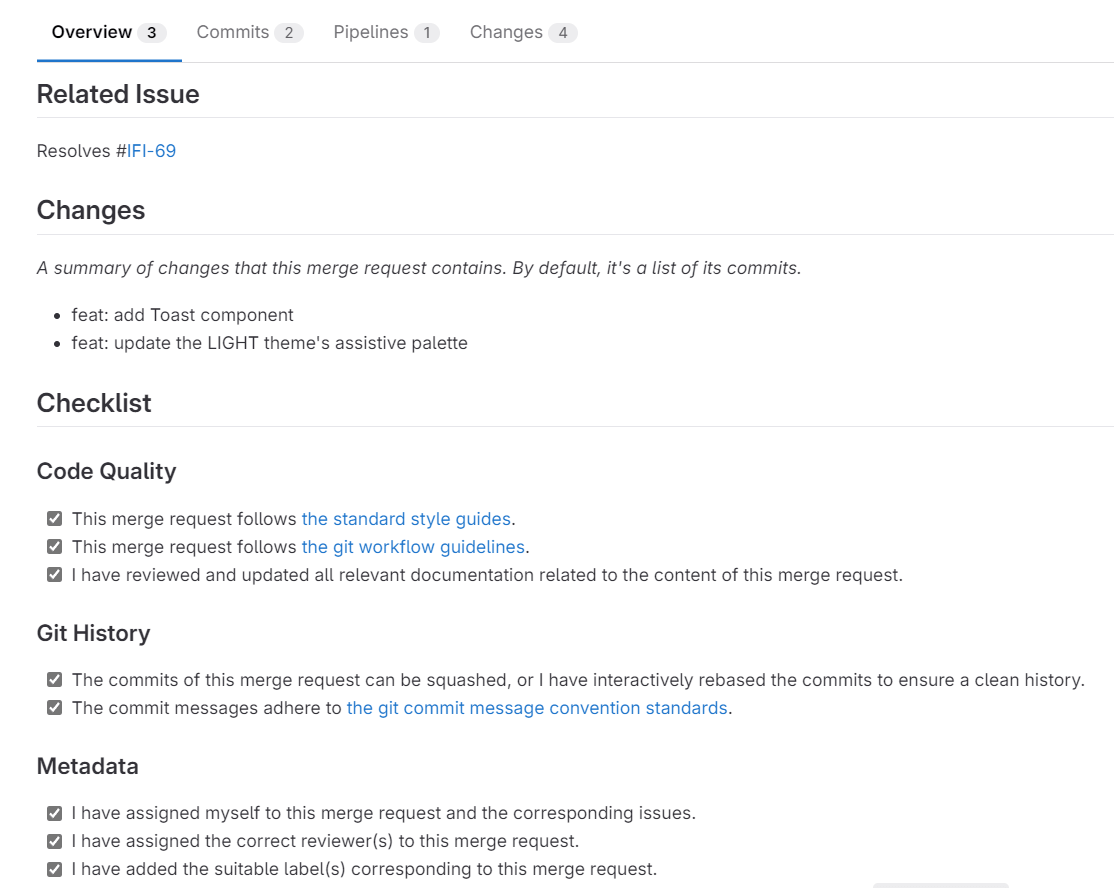
Optimize your collaborative software development with a comprehensive guide to creating standard & efficient merge requests.

Sass has amazing features like loops and if/else that often go unnoticed, although we can make amazing stuff with them in a performant way.

Explore how to configure and leverage VSCode snippets and shortcuts to turbocharge your programming efficiency.

Uncover the keys to overcoming team dysfunction. Learn how to build trust, commitment, and accountability with solutions and examples.

Discover Humility, Hunger, and Smart — key virtues for an ideal team player. Real-life examples and insights from Patrick Lencioni's book.

Learn about Architectural Decision Records (ADRs), essential documents that capture the context and consequences of significant architectural decisions in software development.

Creating a Clear and structured Git commit messages convention and automatically enforcing it with Commitlint for a clean and informative git history.

Boost code quality with Husky git hooks! Pre-commit formatting, commit message standards, and pre-push checks ensure fault-free, confident shipping.

Optimizing Next.js Build: Cut Redundant API Calls with Build Time Data Caching. Learn a Step-by-Step Solution to Boost Next.js Apps' Efficiency!

Discover the potential of one-on-one sessions for managers and leaders. Learn tips and techniques to create connections with team members.

Comprehensive senior front-end developer roadmap! Prioritize topics, build a strong foundation, and progress toward mastery.

Navigating Next.js data-fetching strategies: A deep dive into SSR, CSR, SSG, ISR, and on-demand revalidation. Make informed choices for optimal performance!

Fostering LGBT+ diversity: Navigating inclusivity with empathy and understanding for a better future.

Explore the power of HTTP proxies in enhancing authorization security and functionality in a step-by-step guide.

Mastering Clean and Maintainable Redux Code: A Comprehensive Guide with Redux-Saga Integration in Next.js
Exploring downsides, complexity, and better alternatives for state management in React projects. Rethink your choices and embrace efficiency.